The quick answer
- Choose newwhen you need exact dimensions, maximum strength, a consistent look or export-ready heat treatment.
- Choose usedfor standard 48×40 loads, one-way shipments and storage where cost per pallet matters most.
- Mix bothwhen different lanes, customers or products have different needs — one supplier can cover all of it.
When new pallets make sense
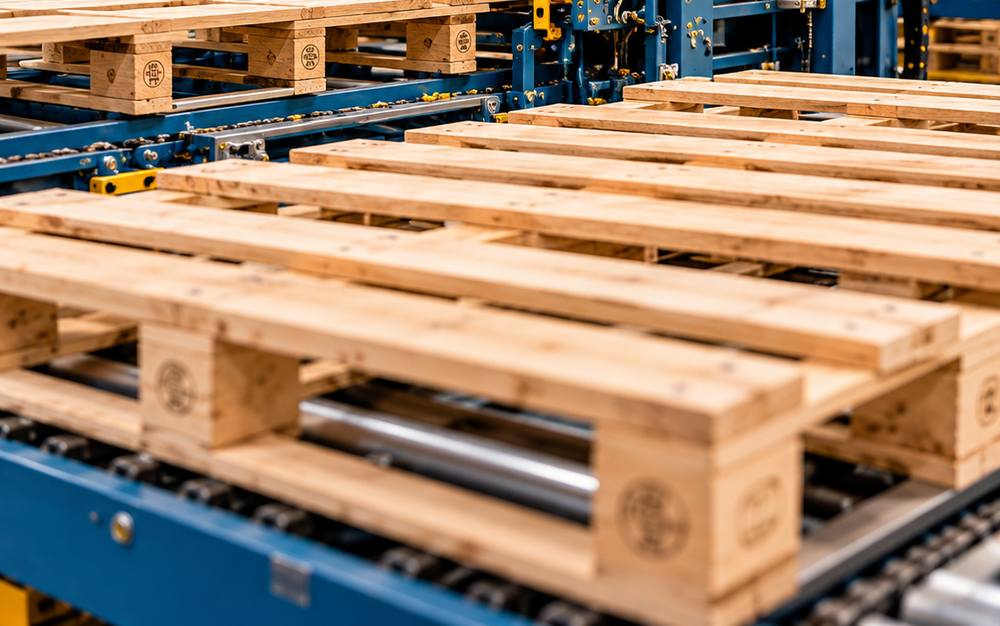
New pallets are built from fresh lumber, so every pallet in the load has the same dimensions, construction and strength. That consistency matters when:
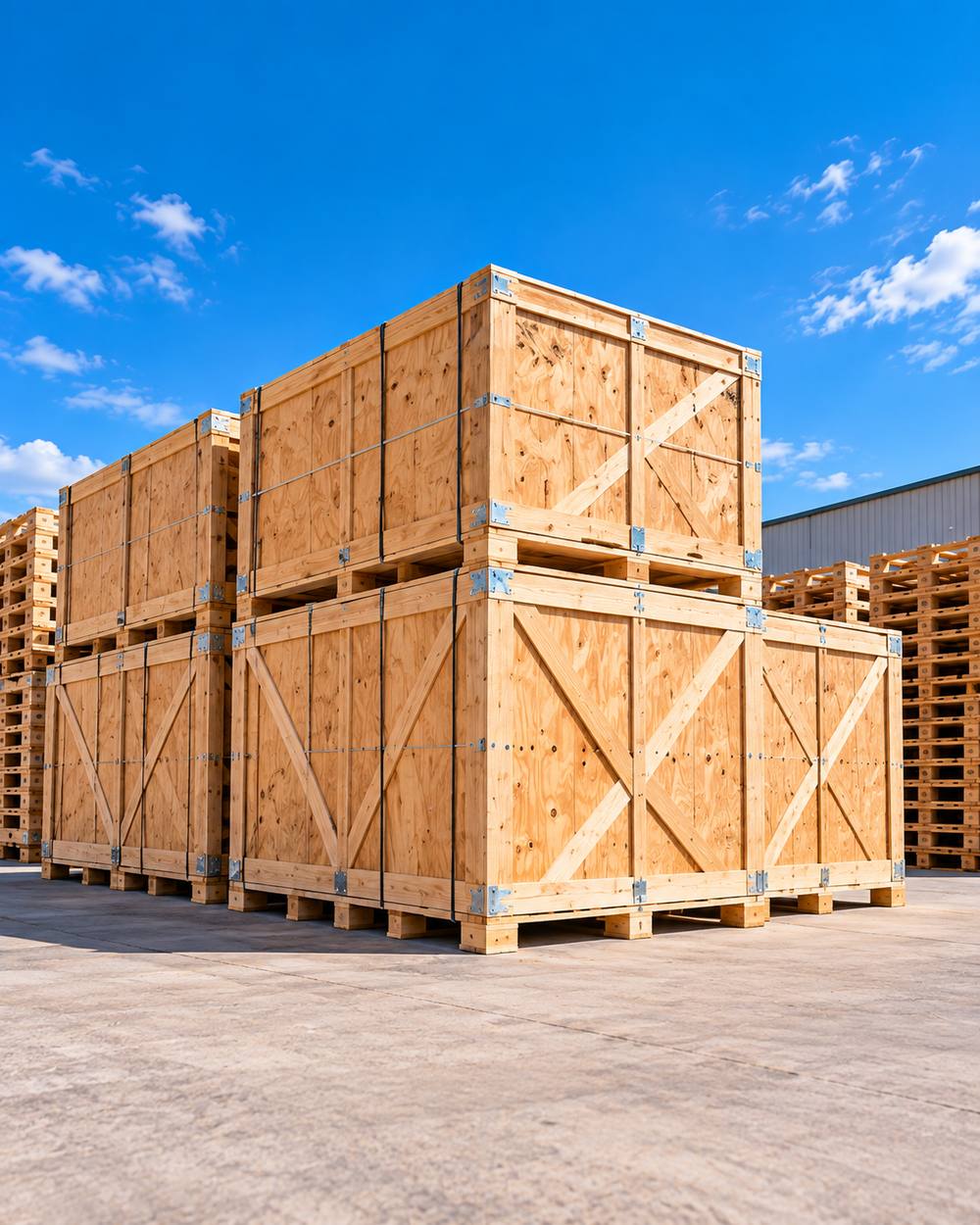
- Your product needs a non-standard size or a specific construction.
- Loads are heavy, concentrated or high-value and you can’t risk a weak board.
- You ship internationally and need ISPM-15 heat-treated, stamped pallets.
- A customer or retailer specifies new pallets — common in food, beverage and other sanitary-sensitive supply chains.
- Pallets run through automated equipment or racking that needs tight tolerances.
When used pallets make sense
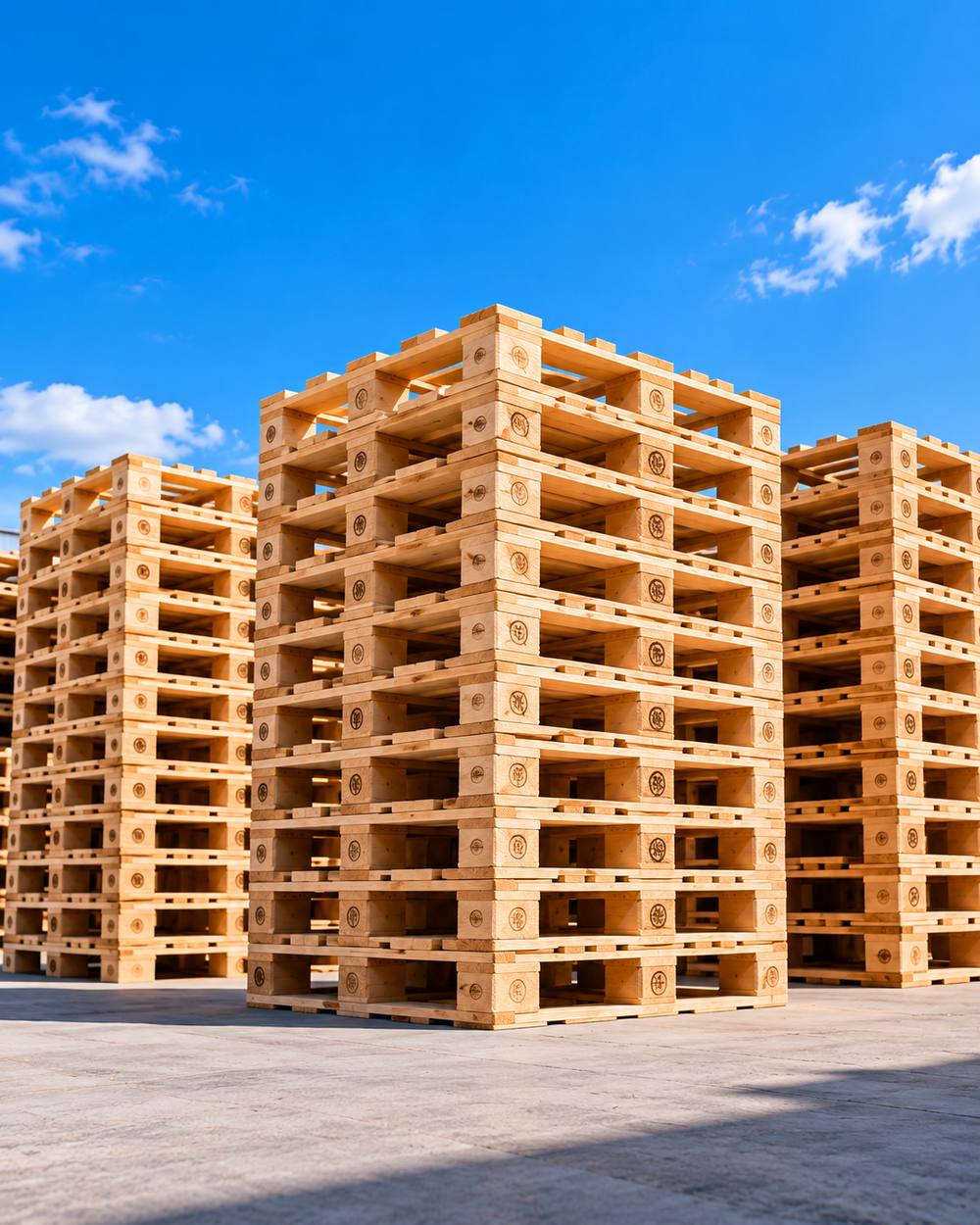
Used pallets are recovered, sorted and graded. Good used pallets handle the majority of everyday warehouse and shipping work at a lower cost per unit. They’re a strong fit when:
- You run standard 48×40 pallets.
- Shipments are one-way and pallets won’t come back.
- Pallets are used for storage or internal moves.
- You want to reduce cost and waste without giving up reliability.
Used pallets don’t always carry an ISPM-15 stamp. If you’re exporting, ask for heat-treated pallets specifically.
Understanding used-pallet grades
Used pallets are usually sold by grade. Exact standards vary by supplier, but the industry generally uses two:
| Grade | Condition | Best for |
|---|---|---|
| #1 (Grade A) | Clean and sturdy with few or no repairs | Retail-facing loads, repeat use, heavier products |
| #2 (Grade B) | Structurally sound with visible repairs — added boards or companion stringers | One-way shipping, storage, cost-sensitive programs |
Side-by-side comparison
| Factor | New | Used |
|---|---|---|
| Cost per pallet | Higher | Lower |
| Consistency | Identical across the load | Varies within a grade |
| Custom sizes | Any size or build | Limited to what’s in inventory |
| Export (ISPM-15) | Can be heat-treated and stamped | Only if already treated and marked |
| Availability | Built to order | Common sizes often in stock |
| Sustainability | New lumber | Reuses existing wood |
Why many operations use both
It’s common to run new or custom pallets on outbound lanes that need them, and used 48×40s everywhere else. A supply program can mix new, used and heat-treated pallets on a single delivery schedule — and a buy-back program can recover the pallets you no longer need.
Have a question about your pallets?
Our team will help you choose the right option.