
2-Way Entry
Forklifts and pallet jacks enter from the two ends only. Typical of stringer pallets with solid stringers.
- Stringer pallets
- Budget-friendly
- Straight-in handling
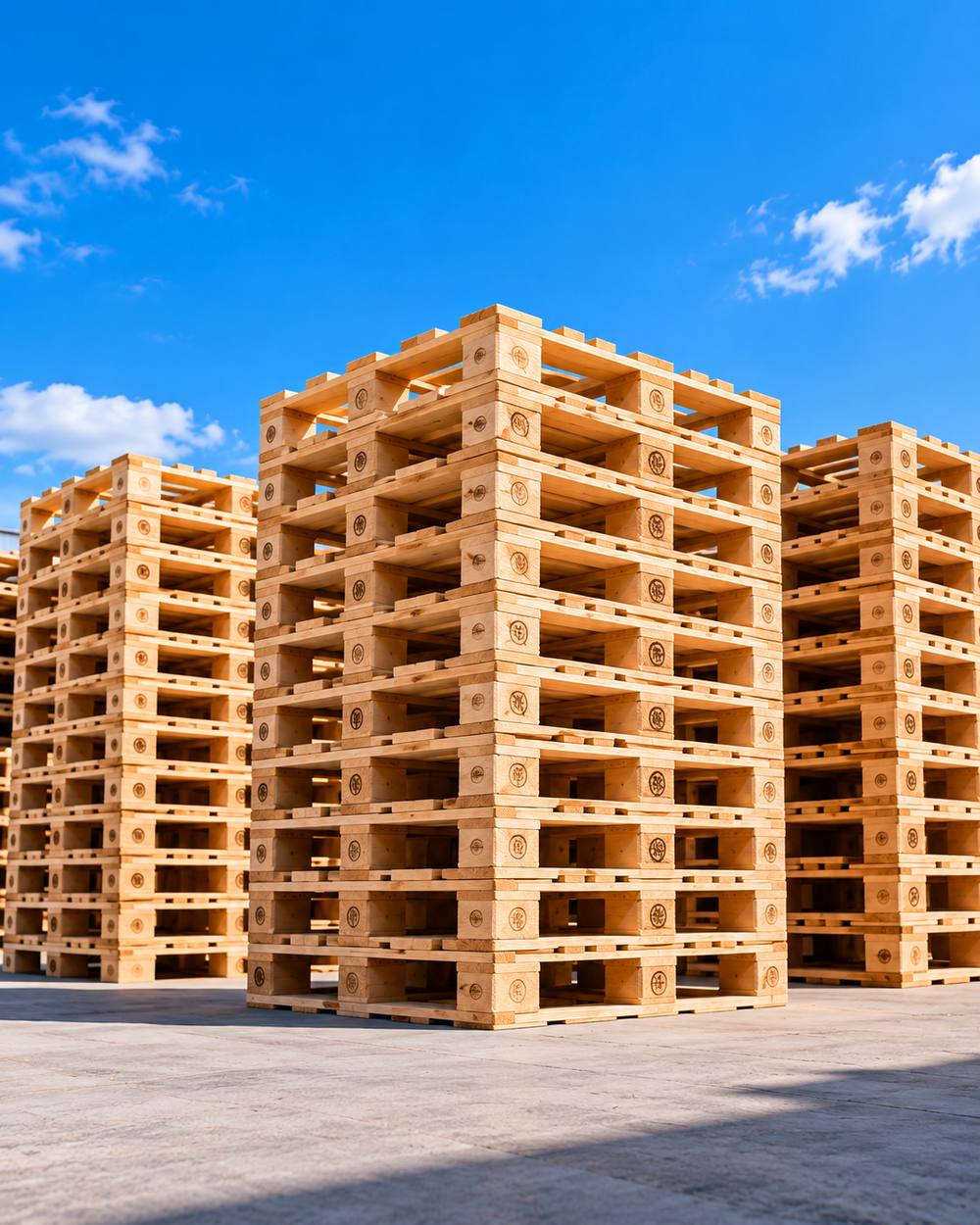
Pallet Guide
New or used, standard or custom, 2-way or 4-way, domestic or export — a plain-English guide to the pallet options we supply.
Pallet Types
Every option below is quoted to your quantity and schedule — no catalog, no cart. Tell us what you’re shipping and we’ll recommend the right fit.
01 / 05The industry workhorse. Fits most racking, trucks and handling equipment.
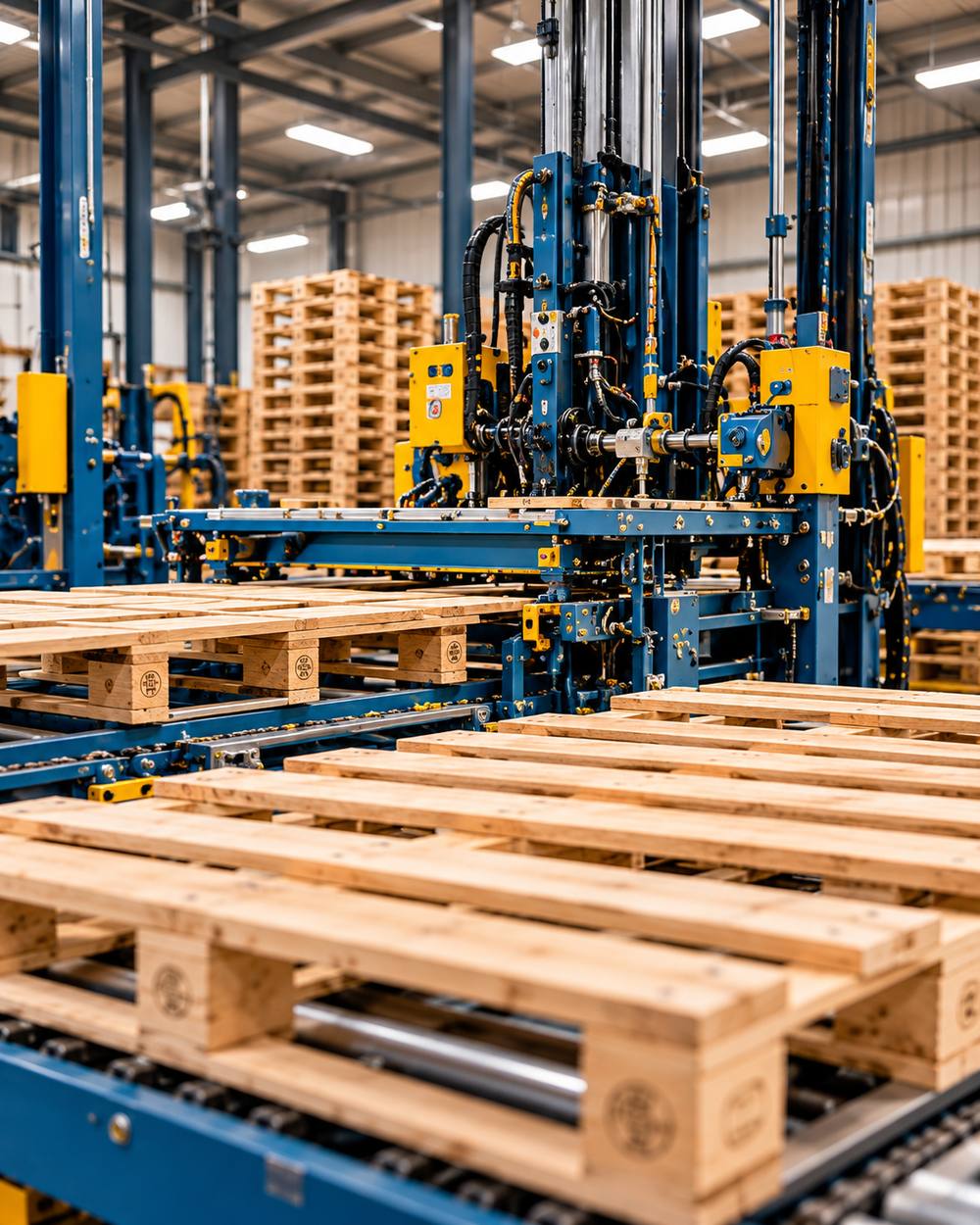 02 / 05
Sized and built around your product, load weight and equipment.
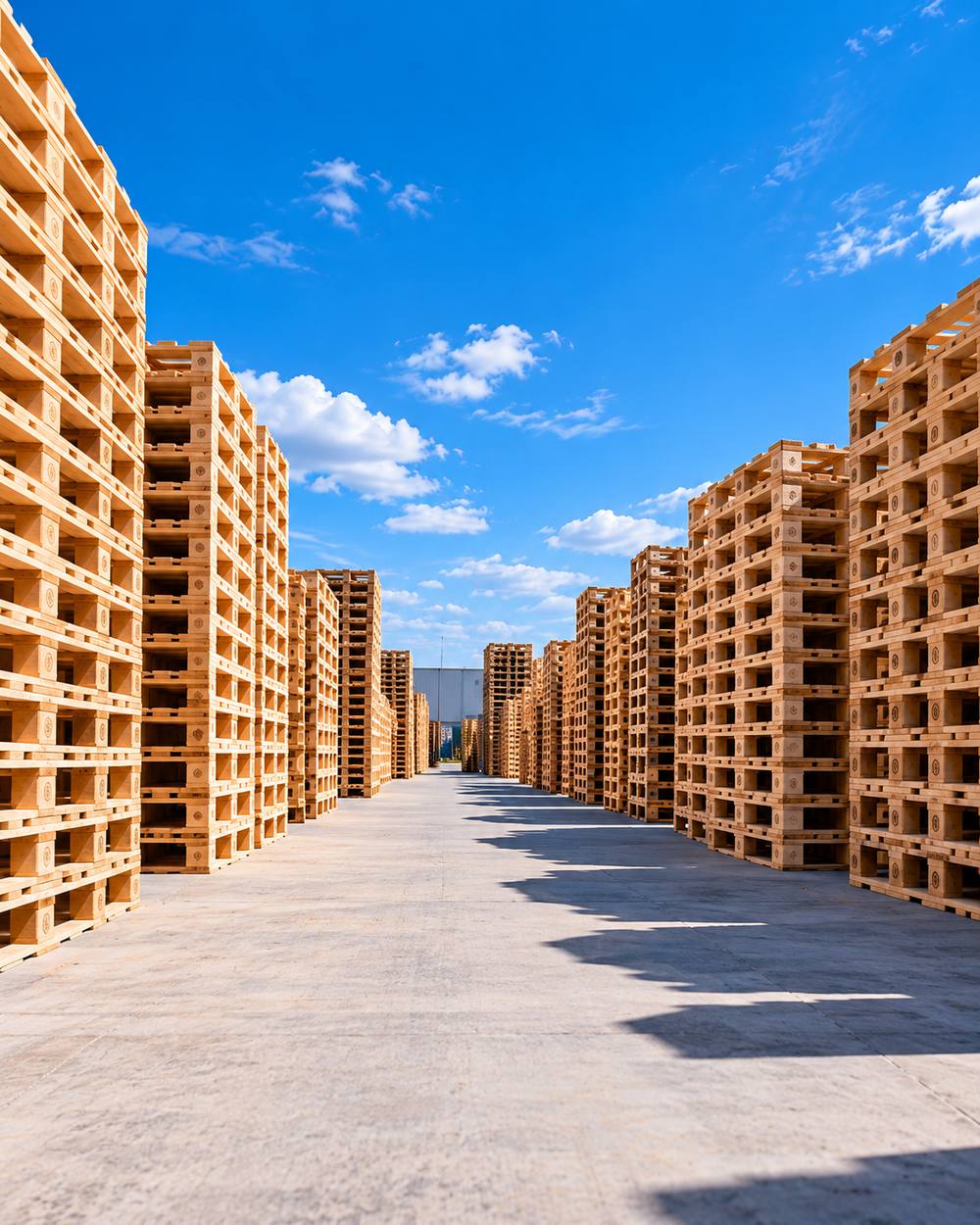 03 / 05
Inspected, graded and ready to work — at a lower cost per unit.
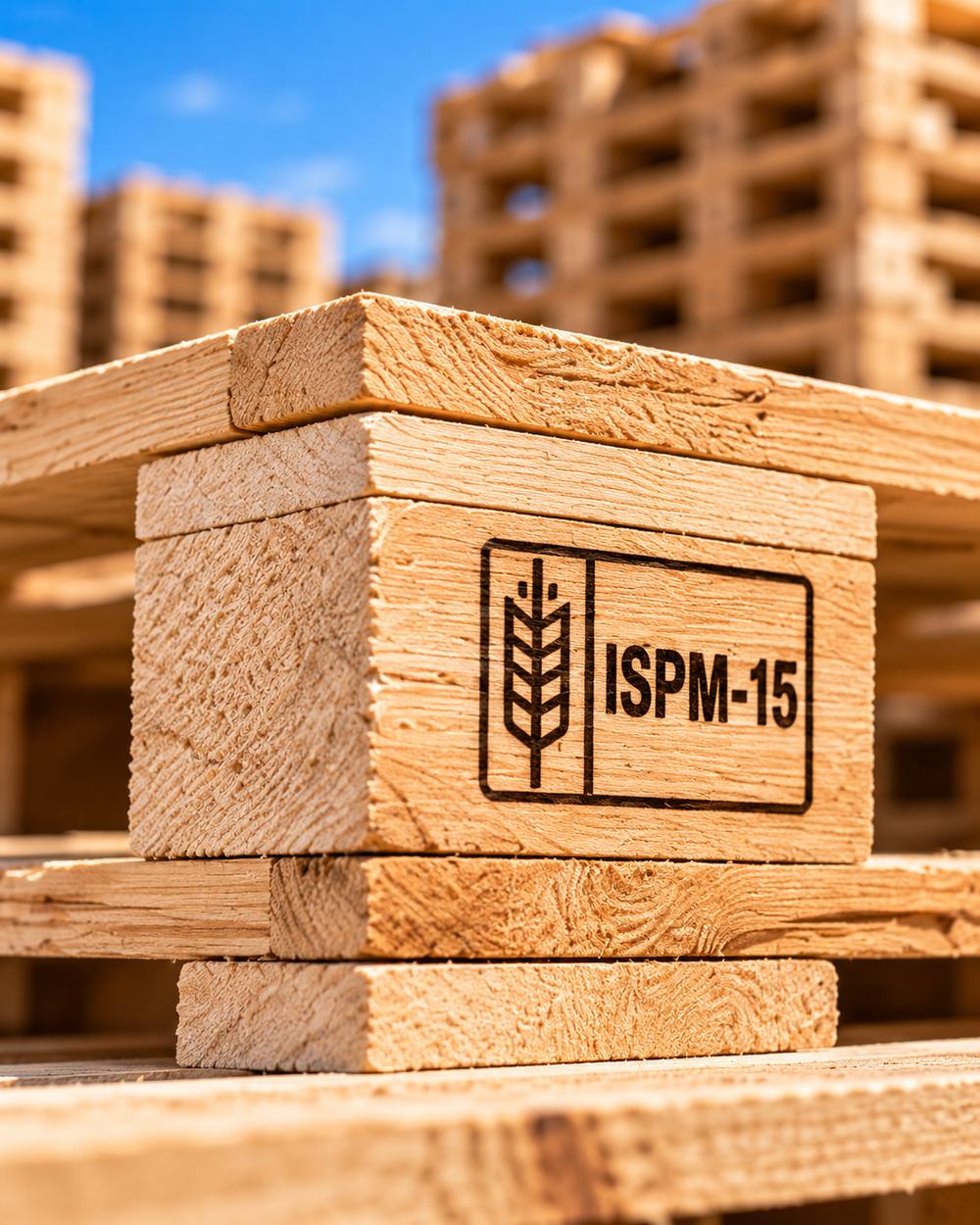 04 / 05
Treated and marked to ISPM-15 for shipments crossing borders.
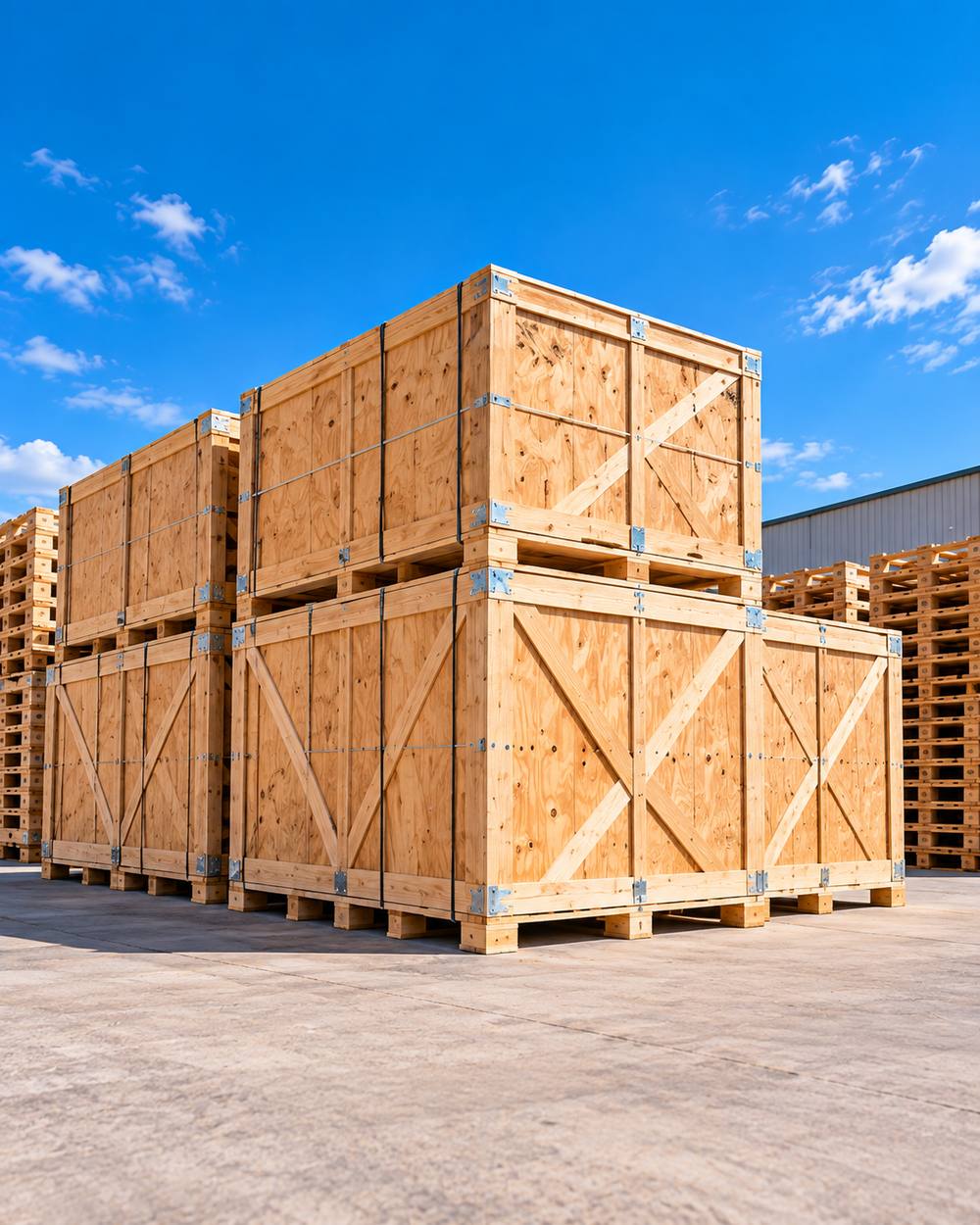 05 / 05
Skids, crates and specialty builds for freight that won’t fit a standard pallet.
New vs. Used
Built from fresh lumber for consistency and strength.
Inspected, graded and returned to service.
Standard vs. Custom
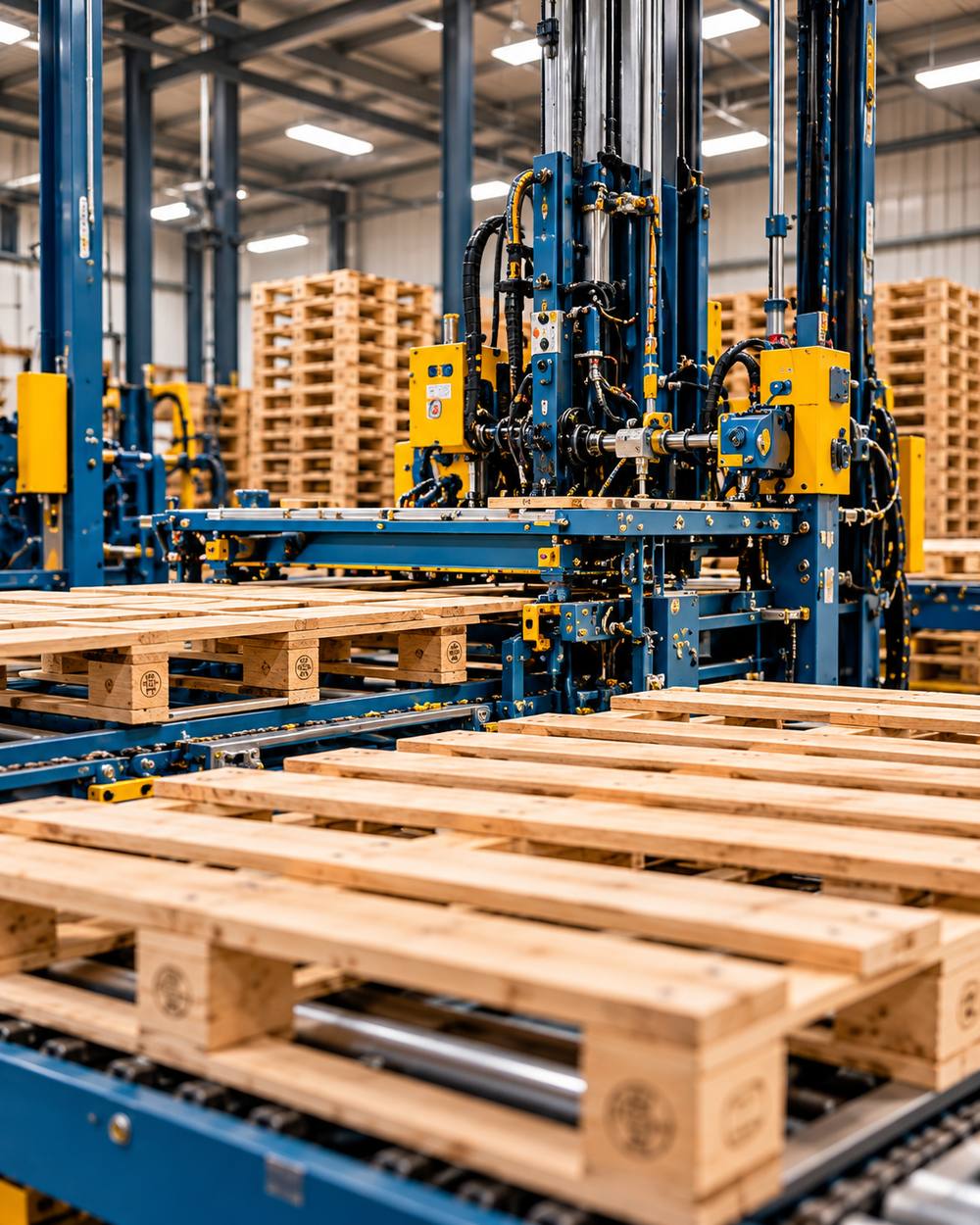
The 48×40 fits most racking, trucks and equipment — and it’s the fastest, most affordable option. Custom pallets earn their keep when your product overhangs, your load is unusually heavy, or your equipment needs a specific footprint.
Common Sizes
Dimensions are listed length × width in inches. The first number is the stringer length — the direction forks travel on a 2-way pallet.
| Size (in.) | Common industries & uses |
|---|---|
| 48 × 40 | Grocery, consumer goods and general freight — the most common pallet in North America |
| 42 × 42 | Telecommunications, paint |
| 48 × 48 | 55-gallon drums |
| 40 × 48 | Military, cement |
| 48 × 42 | Chemical, beverage |
| 40 × 40 | Dairy |
| 48 × 45 | Automotive |
| 44 × 44 | Drums, chemical |
| 36 × 36 | Beverage |
| 48 × 36 | Beverage, shingles, packaged paper |
Entry Types
Entry type decides which sides of the pallet your forklifts and pallet jacks can use — it matters in tight aisles and busy docks.
Sizes & entry guideForklifts and pallet jacks enter from the two ends only. Typical of stringer pallets with solid stringers.
Notched stringers let forklift tines enter from the sides too — but pallet jacks still need the ends.
Blocks instead of stringers open all four sides to forklifts and pallet jacks alike.
Heat Treatment
ISPM-15 requires solid wood packaging in international trade to be treated and marked. Heat-treated pallets reach a core temperature of 56 °C for at least 30 minutes, then carry the mark below.
Applications
Typical starting points by industry. Every operation is different — our team will confirm the right spec.
Clean, consistent pallets — often new or #1 grade — for case-picked and palletized goods.
Typical: New or #1 48×40
Racking-friendly 48×40s in volume, with recurring supply to match throughput.
Typical: #1 / #2 48×40, 4-way
ISPM-15 stamped pallets, crates and skids for international freight.
Typical: Heat-treated, new
Custom sizes built around parts, machinery and in-process handling.
Typical: Custom, new
Cost-effective pallets for one-way store and DC shipments.
Typical: #2 48×40
Skids and crates for equipment and freight that won’t fit a standard pallet.
Typical: Skids / crates
Not sure which pallet fits?
Tell us what you ship, how much it weighs and where it’s going. We’ll recommend the right pallet and send a quote.
Monday – Friday, 7:00 AM – 3:00 PM
Tell us what you need. We’ll follow up with pricing and availability.